How to Build a Supplement Routine That Works
Walk into any pharmacy or health food store in Australia and you will face an overwhelming wall of choices. Vitamins, minerals, herbal supplements, probiotics, collagen powders, protein blends, and nootropic stacks all compete for shelf space and your attention.
The supplement industry has become expert at making everything sound essential, which means most people end up either buying too much, taking supplements inconsistently, or choosing products that do not actually match their health goals.
The reality is that building an effective supplement routine is not complicated. It requires understanding a few core principles, being honest about your actual health priorities, and committing to consistency over volume.
This guide walks you through the process from scratch.
Start with an Honest Assessment of Your Health Priorities
Before buying anything, spend ten minutes identifying your two or three most pressing health concerns. Not the ones you think you should care about based on marketing, but the ones that are actually affecting your quality of life right now.
Common priorities and the supplement categories most relevant to them:
- Low energy and persistent fatigue: Magnesium, B vitamins, iron (particularly for women),vitamin D, whole-food supplements like moringa leaf powder
- Poor digestion, bloating, or irregular bowel habits: Gut health supplements including prebiotic fibre, probiotics, and combined synbiotics
- Skin, hair, and nail quality: Collagen peptides, vitamin C, zinc, biotin, silica
- Immune function and frequent illness: Vitamin C, vitamin D, zinc, quercetin, elderberry
- Joint pain and mobility: The best joint health supplements will start with collagen, glucosamine, chondroitin, glucosamine, and turmeric.
- Sleep quality and stress management: Magnesium glycinate, ashwagandha, L-theanine, B6
Moringa is the whole-food option in the list above. Buy Moringa Leaf Powder direct from Propel Health, certified organic and independently tested.
Once you have identified your top two priorities, the decision of which supplements to start with becomes significantly clearer. You are solving specific problems, not covering every theoretical base.
Why Most People Get Their Supplement Routine Wrong
The most predictable supplement mistake is buying a basket of products at once and taking them all sporadically.
Within a few weeks, the routine feels like a burden, adherence drops off, the packets sit in a cupboard until they expire, and the person concludes that supplements do not work for them.
The second most common mistake is expecting rapid results. Nutritional supplements are not pharmaceuticals with acute, immediate effects.
They work by gradually correcting deficiencies,supporting cellular processes, and modulating biological systems that take weeks and months to respond.
People who stop after two weeks because they notice nothing are stopping before the compound effects of supplementation have had time to build.
The third mistake is ignoring the lifestyle foundations. There is no supplement that compensates for sleeping five hours a night, eating predominantly ultra-processed food, and living under unmanaged chronic stress.
Supplements work most effectively when they are filling genuine gaps in an otherwise reasonable lifestyle, not performing miracles against a backdrop of poor health habits.
The Three-Supplement Starting Rule
If you are new to supplementation or rebuilding a routine from scratch, start with no more than three supplements.
This keeps the routine manageable, makes it easier to identify what is working, and prevents the supplement fatigue that comes from managing a complex daily protocol.
First Supplement: Gut Health Foundation
The gut is where all nutrients are absorbed. A healthy, diverse gut microbiome significantly improves the bioavailability of the vitamins and minerals you consume, whether from food or supplements.
Starting with a gut health supplement creates the foundation that makes everything else more effective.
For most Australians, PHGG (Partially Hydrolysed Guar Gum) is the best starting point. It is FODMAP-certified, gentle on sensitive digestive systems, tasteless, and supported by robust clinical research for IBS and general microbiome health.
It is particularly well suited as a first supplement because it produces minimal side effects and works well even for people with no experience of supplementation.
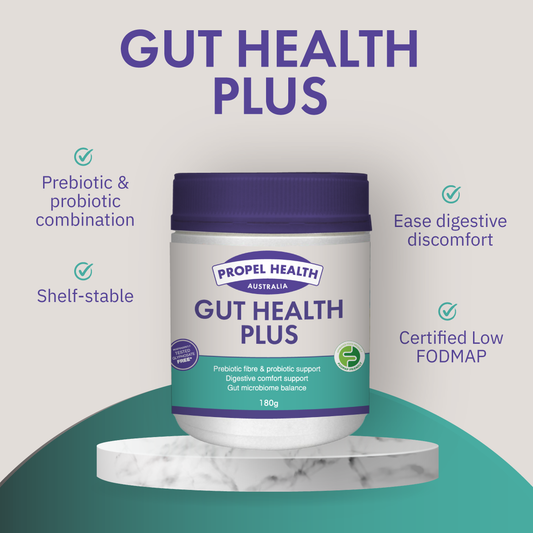
If you prefer a combined approach from the start, Propel Health's Gut Health Plus combines PHGG prebiotic fibre with probiotic cultures in a single daily formula, which covers both the food source and the beneficial bacteria simultaneously.
Second Supplement: Vitamin C
Vitamin C is the most versatile daily supplement available. It supports immune function, collagen synthesis, iron absorption, skin health, and acts as a primary water-soluble antioxidant.
As a water-soluble vitamin it is safe at regular doses, excretes excess, and can be taken at virtually any time of day.
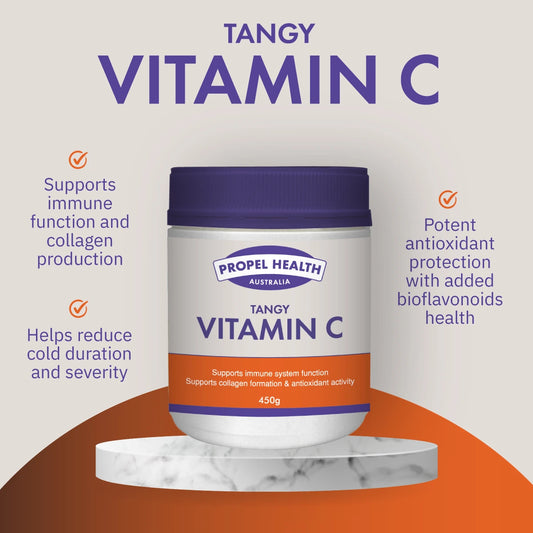
Propel Health's Tangy Vitamin C support immune system is a particularly good daily choice because it combines vitamin C with two minerals that support overlapping wellness pathways. The hesperidin (a bioflavonoid) enhances vitamin C absorption and adds anti-inflammatory activity. The zinc and magnesium address two of the most common mineral deficiencies in Australian adults.
Third Supplement: A Whole-Food Nutritional Base
Rather than taking five individual vitamin supplements to cover your micronutrient bases, consider a high-quality whole-food supplement that delivers broad nutritional support in a single serve.
Propel Health's Organic Moringa Powder provides iron, calcium, potassium, vitamin C, and a range of amino acids in natural, bioavailable forms.
The multi-nutrient powder Rejuven8 is another option that delivers a comprehensive blend of organic whole-food nutrients for people who want maximum nutritional coverage without managing multiple separate products.
How to Time Your Vitamins and Supplements for Maximum Effect
When you take supplements matters more than most people realise. Timing affects absorption, efficacy, and in some cases whether there are any side effects. Here is a practical guide to supplement timing:
- Fat-soluble vitamins (A, D, E, K): Always take with a meal that contains dietary fat. Without fat, these vitamins are poorly absorbed. A meal with avocado, olive oil, eggs, or nuts provides adequate fat for effective absorption.
- Water-soluble vitamins (vitamin C, B vitamins): These can be taken at any time, with or without food. Vitamin C is well tolerated on an empty stomach by most people. If you experience nausea, take it with food.
- Prebiotic gut health supplements: Work well taken with a meal or mixed into a morning drink. Taking them at the same time each day supports a stable fermentation environment in the gut.
- Magnesium: Best taken in the evening, as it activates the parasympathetic (rest and digest) nervous system and supports sleep quality. Avoid taking magnesium at the same time as calcium, as they compete for the same absorption pathways.
- Collagen protein powder: Most effective in the morning on an empty stomach or taken with vitamin C, which is required as a cofactor in collagen synthesis.
- Zinc: Take with food to reduce the chance of nausea, which is the most common side effect of zinc on an empty stomach. Do not take at the same time as iron, as they compete for absorption.
Supplement Combinations That Work Well Together
Some nutrients work synergistically, and pairing them strategically enhances their individual effects:
- Vitamin C and Iron: Vitamin C dramatically increases non-haem iron absorption. If you supplement iron or eat iron-rich plant foods, taking vitamin C at the same meal significantly improves uptake.
- Vitamin D and Magnesium: Magnesium is required to activate vitamin D in the body. Taking vitamin D without adequate magnesium means you may not be getting the full benefit of your vitamin D supplement. Many Australians supplement vitamin D without knowing they are also deficient in magnesium.
- Collagen and Vitamin C: Vitamin C is an essential cofactor in the hydroxylation steps of collagen synthesis. Taking collagen protein powder alongside vitamin C is significantly more effective for skin, joint, and connective tissue support than taking either alone.
- Prebiotic and Probiotic: Combining a prebiotic supplement (which feeds beneficial bacteria) with a probiotic supplement (which adds beneficial bacteria) produces synergistic effects on microbiome diversity. This pairing is the principle behind Propel Health's Gut Health Plus.
Combinations to Avoid or Take Separately
Just as some nutrients work together, others compete:
- Calcium and Iron: These compete for the same intestinal transport proteins. If you supplement both, take them at different meals.
- Calcium and Magnesium: These also compete for absorption. While many products combine them, taking them separately (magnesium in the evening, calcium with food at a different meal) may improve uptake of both.
- Zinc and Copper: High-dose zinc supplementation can deplete copper over time. If taking zinc for more than three months, ensure your diet or supplements include adequate copper.
- Fat-soluble vitamins on an empty stomach: If you experience digestive discomfort from vitamin D or vitamin A supplements, this is almost always resolved by taking them with food containing fat.
Tracking Your Supplement Routine
The simplest tracking method is a daily notes app entry. Record which supplements you took, when, and how you felt.
After 60 days, review it.
Look for patterns: Did your sleep improve after consistently taking magnesium? Did your energy change after starting moringa? Is your digestion more regular with the prebiotic supplement?
This kind of simple self-monitoring does two things. It keeps you accountable to consistency, which is the most important variable in supplement effectiveness. And it gives you genuine data about what is and is not working for your specific physiology.
Supplements are not one-size-fits-all. What works well for one person may be irrelevant or redundant for another. The goal is to identify what your body actually responds to and build from there.
When to Re-Evaluate and Expand Your Routine
Once you have maintained your three-supplement starting stack consistently for 60 to 90 days and noted any changes, you can consider expanding.
Add one supplement at a time and give each new addition at least four to six weeks before evaluating. Adding multiple new supplements simultaneously makes it impossible to attribute any changes to a specific product.
Re-evaluate the entire routine every six months. Nutritional needs change with age, seasons, health conditions, hormonal changes, and life circumstances.
A supplement routine that makes sense at 30 may need significant revision at 45.
The goal is not to accumulate more supplements over time but to maintain a routine that is targeted, effective, and sustainable.
For a comprehensive overview of which supplements to prioritise for general wellness, see our guide to the best daily wellness supplements for Australians. If gut health is your primary focus, our guide to the best gut health supplements in Australia covers your options in detail.
The Bottom Line on Building a Supplement Routine
Building an effective supplement routine comes down to three things: knowing your priorities, choosing quality products with real evidence behind them, and taking them consistently enough for the benefits to compound.
Complexity is the enemy of consistency.
Start small, build habits, and give each supplement enough time to demonstrate its value before making changes.
The best supplement routine is the one you actually follow every day.
About the Author
Grant Jenkins is the founder of Propel Health Australia and a high-performance coach & physiologist with over 25 years’ experience working with elite and developing athletes. He has formulated nutritional supplements used by athletes, families and health professionals across Australia. Grant combines real-world coaching experience with evidence-based research to bridge the gap between performance science and practical health.
Disclaimer
Propel Health offers this article for education purposes only. Please consult your Health Practitioner for personalised and specific information.