The Best Daily Wellness Supplements for Australians
Google tells us lots of people are asking:
What are the Best Mineral Supplements for Daily Health in Australia?
Which makes sense since most Australians are not getting everything they need from food alone.
Modern agricultural practices have reduced the nutrient density of commonly grown produce compared to fifty years ago.
Busy schedules, food delivery reliance, and the sheer convenience of ultra-processed options mean the Standard Australian Diet (or SAD) consistently falls short of key vitamins and minerals.
That is where the right daily wellness supplements can make a genuine, measurable difference.
This is not a guide about megadosing vitamins or buying into every trend that surfaces on social media.
It is a practical, evidence-grounded look at the supplements that have real research behind them and are worth building into a consistent daily wellness routine for Australians across all life stages.
The State of Australian Nutrition
The Australian Bureau of Statistics National Nutrition and Physical Activity Survey found that the majority of Australian adults fall consistently short on several critical nutrients.
Magnesium, iodine, vitamin D, folate, and calcium are among the most commonly deficient.
More recently, zinc and vitamin B12 deficiency have become more prevalent, particularly in populations eating less red meat.
These are not trivial gaps. Magnesium deficiency affects energy production, muscle function, sleep quality, and cardiovascular health.
Vitamin D deficiency is associated with reduced immune function, poor bone density, and emerging links to metabolic disease. Iodine deficiency can affect thyroid function, which in turn influences metabolism, mood, and cognitive clarity.
The point is not to generate concern but to illustrate that supplementation, when done thoughtfully, fills genuinely significant gaps in modern Australian nutrition.
Supplements are not a replacement for a quality diet. But the right vitamins and supplements, used alongside a solid nutritional foundation, provide leverage that food alone often cannot deliver consistently.
Why Daily Consistency Matters More Than Dosage
One of the most common misunderstandings about wellness supplements is that higher doses produce better outcomes.
For most vitamins and nutritional supplements, this is simply not true.
Water-soluble vitamins like vitamin C and the B vitamins are excreted in urine when consumed in excess.
Fat-soluble vitamins like A, D, E, and K can accumulate to harmful levels at high doses.
The dose that produces the best outcome is usually the one taken consistently at moderate levels over a sustained period.
A well-designed daily supplement routine taken consistently for six months will produce dramatically better results than an aggressive supplement protocol taken sporadically for three weeks.
This is why building a sustainable, simple daily routine is the most important thing you can do before choosing which supplements to buy.
The Core Wellness Vitamins Worth Taking Every Day
Vitamin C
Vitamin C is one of the most important antioxidant vitamins the human body requires and one of very few that humans cannot synthesise internally.
Unlike many mammals, which produce their own vitamin C, humans depend entirely on dietary and supplemental intake.
The consequences of even mild deficiency include impaired immune function, slower wound healing, reduced collagen synthesis, and increased susceptibility to oxidative stress.
For daily wellness supplementation, vitamin C is most effective when taken with complementary nutrients rather than in isolation. Bioflavonoids like hesperidin, which naturally co-occur with vitamin C in whole citrus fruit, significantly enhance its absorption and bioavailability.
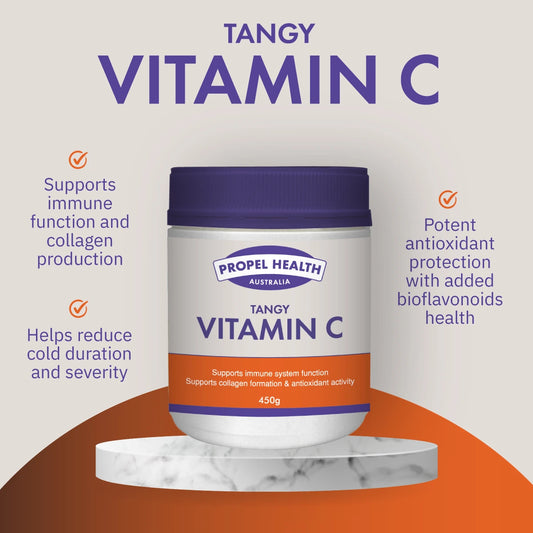
Propel Health's Tangy Vitamin C with Hesperidin, Zinc and Magnesium is often considered one of the what are the best vitamin supplements for daily health in Australia.
It's a thoughtfully formulated option that delivers vitamin C alongside zinc and magnesium, two minerals that support overlapping immune and cellular health pathways.
Magnesium
Magnesium is involved in more than 300 enzymatic reactions in the body, including energy production at the mitochondrial level, DNA synthesis, protein synthesis, muscle contraction and relaxation, and nervous system regulation.
It is one of the most depleted minerals in the Australian population.
Soil depletion, high consumption of refined grains (which strip magnesium in processing), alcohol intake, and the increased excretion that comes with chronic stress all contribute to widespread deficiency.
Symptoms of magnesium deficiency include muscle cramps, poor sleep quality, anxiety, constipation, and fatigue.
Many Australians experience these symptoms without connecting them to nutritional deficiency.
The form of magnesium matters significantly in supplementation.
Magnesium glycinate has the highest bioavailability and the gentlest effect on the digestive system.
Magnesium oxide, the most common form in budget supplements, is poorly absorbed and frequently causes diarrhoea at higher doses.
Vitamin D
Despite Australia's reputation for sunshine, vitamin D deficiency is surprisingly prevalent, particularly in the southern states during winter months and among the significant portion of the workforce that spends most of their day indoors.
The body synthesises vitamin D through skin exposure to UVB radiation, but this process is affected by latitude, season, skin tone, sunscreen use, and time of day.
Vitamin D is not merely a bone health nutrient. Research over the past two decades has identified vitamin D receptors throughout the body, including in immune cells, brain tissue, and cardiovascular tissue.
Deficiency is associated with increased risk of respiratory infections, poor mood regulation, impaired insulin sensitivity, and chronic inflammation.
For Australians who spend limited time outdoors, supplementation of vitamin D is one of the most sensible wellness investments available.
Moringa for Whole-Food Nutrition
Moringa oleifera is one of the most nutritionally dense plants on the planet.
A single serving of moringa leaf powder contains meaningful amounts of iron, calcium, potassium, vitamin C, vitamin A, and a range of essential amino acids in a natural, bioavailable form.
Buy Moringa Leaf Powder direct from Propel Health. Certified organic and independently tested.
For people who want to fill nutritional gaps with something closer to a whole food than an isolated synthetic compound, moringa is an exceptional choice.
Propel Health's Organic Moringa Powder is certified organic, free from additives, and cold-processed to preserve its nutritional profile.
It blends well into smoothies, juices, and even savoury dishes without an overpowering flavour.
For people who find the idea of taking six different vitamin supplements daily unappealing, moringa provides a single-scoop approach to broad-spectrum micronutrient support.
Fulvic and Humic Acid for Cellular Absorption
Fulvic acid is a naturally occurring organic compound produced by microbial decomposition of organic matter in soil. It has gained research attention for its role in enhancing the bioavailability of other nutrients.
As a natural chelating agent and transporter, fulvic acid helps nutrients cross cell membranes more efficiently.
For anyone who takes a range of vitamins and supplements, combining them with fulvic acid may improve how effectively those nutrients are actually taken up and utilised at the cellular level.
Research also suggests fulvic acid has direct antioxidant and anti-inflammatory properties, supports gut barrier integrity, and may improve cellular energy production through mitochondrial support.
It is one of the more interesting emerging supplement categories with a science base that is developing rapidly.
Gut Health Supplements as a Wellness Foundation
No daily wellness supplement stack is complete without attention to gut health.
The gut microbiome influences immune function, nutrient absorption, inflammation regulation, mood through the gut-brain axis, and metabolic health.
A poorly functioning gut means that even excellent supplements may not be fully absorbed or utilised.
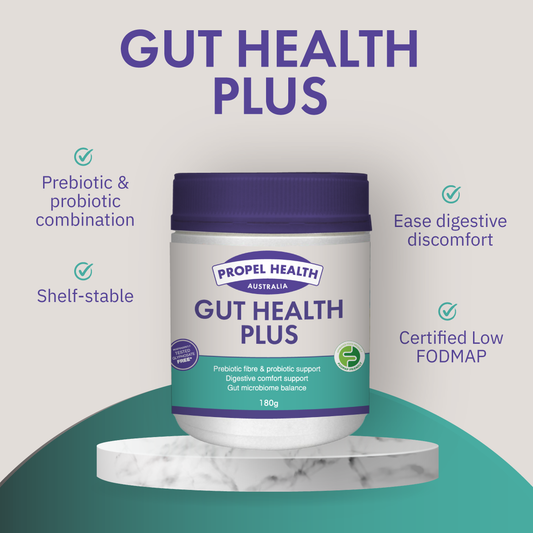
Starting with a daily prebiotic supplement like PHGG Powder establishes the microbiome foundation that maximises the effectiveness of everything else in your supplement routine.
For a comprehensive introduction to gut health supplementation, see our guide to the best gut health supplements in Australia.
How do I choose the best mineral supplement options for overall wellness in Australia?
Not all supplements are created equal, and in Australia's relatively lightly regulated supplement market, quality varies significantly between brands.
Many people are looking for natural ways to support energy and mental performance without depending on high-stimulant products.
Our collection of the best natural health products for energy and focus in Australia includes clinically researched ingredients that support healthy energy production, circulation, brain function and overall wellbeing.
Here is what to look for when choosing any vitamin or wellness supplement:
- Third-party testing: Independent testing for heavy metals (lead, mercury, cadmium), arsenic, and glyphosate is the highest transparency standard available. Propel Health independently tests all products for these contaminants, which is genuinely uncommon in the supplement industry.
- Ingredient forms matter: Magnesium glycinate vs magnesium oxide. Methylfolate vs folic acid. Methylcobalamin vs cyanocobalamin for B12. These are not marketing distinctions. They reflect real differences in absorption rates and physiological effects.
- Clean formulations: The best supplement is one that contains the active ingredient and as little else as possible. Look for products free from artificial colours, sweeteners, preservatives, and unnecessary fillers. These are not just aesthetic preferences but genuinely affect the purity and efficacy of what you are taking.
- Organic certification: Where available, certified organic supplements reduce your exposure to agricultural chemical residues. This matters most for plant-based supplements like moringa, inulin, and superfood powders.
- Practitioner recommendation: Supplements recommended by dietitians, nutritionists, naturopaths, and other health practitioners have typically been through a more rigorous vetting process than products sold solely through retail channels.
Propel Health independently tests products for heavy metals, arsenic, and glyphosate. This level of transparency is rare and worth looking for in any supplement brand you choose for daily use.
Putting Together a Daily Wellness Supplement Routine
The most effective daily supplement routines are simple enough to maintain indefinitely. Here is a straightforward framework for building your own:
- Morning with breakfast: Vitamin C (with food to support absorption). Moringa powder stirred into a smoothie or glass of juice.
- Midday: Gut health prebiotic supplement mixed into a glass of water or taken with a meal.
- Evening with dinner: Fat-soluble vitamins (D, K) taken with a meal containing healthy fat for optimal absorption.
- Before bed: Magnesium to support sleep quality and nervous system recovery overnight.
This kind of simple, anchored routine is far more effective than an elaborate protocol that you follow inconsistently.
Attach each supplement to an existing habit, a meal, a cup of coffee, a glass of water, and consistency becomes automatic.
Common Wellness Supplement Mistakes to Avoid
Even health-conscious Australians make predictable supplementation errors. The most common ones are worth avoiding from the start:
- Taking supplements without meals when fat-soluble vitamins are involved. Vitamins A, D, E, and K require dietary fat for absorption and are significantly less effective on an empty stomach.
- Stopping too soon. Most nutritional supplements take six to twelve weeks to produce measurable effects. Stopping after two weeks because you feel no difference is one of the most common reasons supplementation fails.
- Choosing supplements based on price alone. The cheapest magnesium supplement is almost certainly magnesium oxide, which has poor absorption and causes digestive side effects at the doses needed for efficacy. Investing slightly more in quality forms pays dividends.
- Ignoring the foundations. No supplement compensates for a diet built primarily on ultra-processed food, chronic sleep deprivation, or inadequate hydration. Supplements work with your lifestyle, not instead of it.
For a detailed step-by-step guide to structuring your supplement routine effectively, see our article on how to build a supplement routine that works.
Summary: The Best Daily Wellness Supplements for Australians
For most Australian adults looking to build a solid, evidence-backed daily wellness supplement routine, the following foundation covers the most significant nutritional gaps and the highest-leverage health benefits:
- Vitamin C with hesperidin for immune support, collagen synthesis, and antioxidant defence
- Magnesium (glycinate form) for energy, sleep quality, and nervous system regulation • Vitamin D for immune function, bone density, and mood regulation
- Moringa powder for broad-spectrum micronutrient coverage from a whole-food source
- A prebiotic gut health supplement as the foundation for nutrient absorption and immune health
- Start with whichever area addresses your most pressing current health concern.
Give it 60 to 90 days. Build from there. That approach consistently produces better outcomes than buying an entire supplement stack at once and hoping something works.
About the Author
Grant Jenkins is the founder of Propel Health Australia and a high-performance coach & physiologist with over 25 years’ experience working with elite and developing athletes. He has formulated nutritional supplements used by athletes, families and health professionals across Australia. Grant combines real-world coaching experience with evidence-based research to bridge the gap between performance science and practical health.
Disclaimer
Propel Health offers this article for education purposes only. Please consult your Health Practitioner for personalised and specific information.