Gut Health & Antibiotics - Could One Course Affect Your Gut for Years?
TL;DR A major 2026 study found antibiotics may alter the gut microbiome for years. While antibiotics can be essential, supporting the gut with strategies like prebiotic fibres, glutamine & collagen may support microbiome recovery.
Antibiotics can be life-saving.
No question.
They’ve changed modern medicine and are often absolutely necessary.
But a major new study has added to a growing concern many practitioners and gut-health-aware patients have had for years:
What if antibiotics affect the gut for far longer than we once thought?
And not just for a few days or weeks…
But potentially for years.
That’s one reason more Australians are becoming interested in gut health supplements, not as a replacement for medical care, but as a way to help support the gut after common modern stressors like antibiotics.
A Huge New Study Looked at Nearly 15,000 People
A 2026 study published in Nature Medicine analysed 14,979 adults and examined how oral antibiotic use was linked to the gut microbiome over time.
It found that the biggest drop in microbial diversity happened within the first year after antibiotic use but that wasn’t the end of the story.
Significant associations were still seen 1 to 4 years later and even 4 to 8 years later.
That’s a very long time for the gut ecosystem to potentially stay altered.
And importantly, this wasn’t just in people taking antibiotics over and over again.
The study also found that even a single course of certain antibiotics, taken years earlier, was still associated with measurable differences in the gut microbiome.
That doesn’t mean antibiotics are “bad.”
But it does mean they may be less consequence-free than many people assume.
Why This Matters
Because your gut microbiome isn’t just about digestion.
Your gut bacteria are involved in far more than whether you feel bloated after dinner.
They play a role in things like:
- digestion and bowel regularity
- immune system function
- gut lining integrity
- inflammation
- nutrient absorption
- metabolism
- blood sugar regulation
- skin health
- even brain and mood pathways
So if antibiotics disrupt the microbiome, and that disruption lingers, the ripple effects may be much broader than a temporary upset stomach.
That’s also why the conversation around gut health support has shifted. It’s no longer just about “taking something for bloating.”
It’s about helping the microbiome recover after a genuine hit.
The Gut Can Recover… But It Can Take a While
The researchers found that the gut microbiome appeared to recover most rapidly in the first two years after antibiotic exposure.
But after that, recovery seemed to slow down considerably.
Many people still assume:
“I finished antibiotics a month ago, so my gut should be back to normal by now.”
But that may not always be true.
For some people, recovery may be relatively quick.
For others, especially depending on the antibiotic used and their existing gut health, the after-effects may be much longer lasting.
This Doesn’t Mean “Never Take Antibiotics”
Let's be clear.
Antibiotics are sometimes absolutely the right tool.
They can be essential. In some cases, life-saving.
So this is not about fear.
It’s about respecting the trade-off.
Because while antibiotics may help solve one problem, they may also create a second problem that often gets ignored:
Collateral damage to the gut microbiome.
And the more we learn, the more that seems worth taking seriously.
So What Should You Do If You Need Antibiotics?
A more sensible takeaway is this:
1) Use antibiotics when they are clearly needed
Not for every sniffle, sore throat or “just in case” situation.
2) Ask good questions
If you’re prescribed one, it can be reasonable to ask:
- Is this definitely bacterial?
- Is this antibiotic necessary?
- Is there a narrower option if appropriate?
3) Think about gut support during and after
This is the part that often gets missed.
If antibiotics may affect the gut for months, and sometimes years, then supporting the microbiome shouldn’t be an afterthought.
That’s where supplements like:
and other prebiotic support may become more important.
Why More Australians Are Looking Into Gut Health Supplements
When people search for the best gut health supplements in Australia, they’re often not just looking for a trendy product.
They’re usually trying to solve a real problem.
That might be:
- ongoing bloating
- irregular bowels
- digestive discomfort
- post-antibiotic gut issues
- or a general feeling that their digestion hasn’t been the same since getting sick
That’s where the right kind of support matters.
Not all gut products are created equal.
Some focus on adding bacteria.
Others focus on feeding the beneficial bacteria you already have.
And in many cases, that second part gets overlooked.
Why Prebiotics Matter After Antibiotics
One of the biggest issues after antibiotics is that beneficial bacteria can take a hit.
And if you don’t feed the bacteria you want back… recovery may be slower or less complete.
That’s where prebiotic fibres can be useful.
Unlike probiotics, which add bacteria, prebiotics feed the beneficial bacteria already living in your gut.
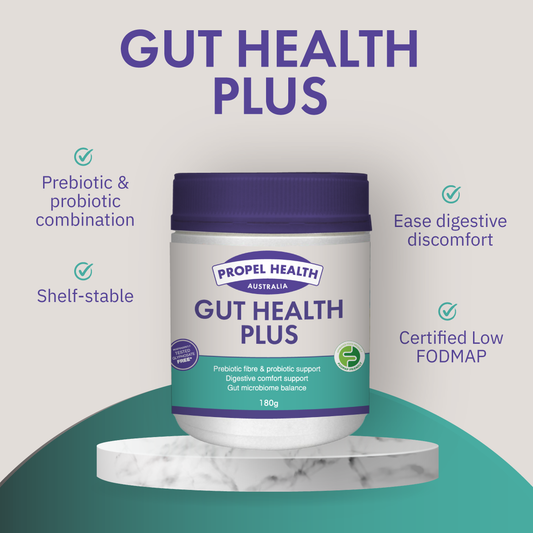
One of the gentlest and most evidence-backed options is PHGG (Partially Hydrolysed Guar Gum).
PHGG is a low-FODMAP prebiotic fibre that may help support:
- beneficial gut bacteria
- stool regularity
- digestive comfort
- microbiome recovery
For many people, it’s a practical and well-tolerated way to support the gut after stressors like antibiotics.
Final Thoughts
This study doesn’t mean antibiotics should be feared.
But it does support something many practitioners have suspected for a long time:
Antibiotics may leave a much longer footprint on the gut than we once believed.
And if the microbiome helps shape everything from digestion to inflammation to long-term health, then protecting it probably deserves to be part of the conversation — not an afterthought.
Sometimes the question isn’t just:
“Did the antibiotic fix the infection?”
It’s also:
“What did it cost the gut?”
Protect your Gut After Antibiotics


Reference
Baldanzi G, Larsson A, Sayols-Baixeras S, et al. Antibiotic use and gut microbiome composition links from individual-level prescription data of 14,979 individuals. Nature Medicine. Published March 11, 2026.
About the Author
Grant Jenkins is the founder of Propel Health Australia and a high-performance coach & physiologist with over 25 years’ experience working with elite and developing athletes. He has formulated nutritional supplements used by athletes, families and health professionals across Australia. Grant combines real-world coaching experience with evidence-based research to bridge the gap between performance science and practical health.
Disclaimer
Propel Health offers this article for education purposes only. Please consult your Health Practitioner for personalised and specific information.