How to Flush Microplastics Out of the Body
TLDR: Eating more fibre, supporting your gut microbiome with prebiotics and probiotics, staying hydrated, reducing further exposure and choosing supplements that support gut health may all help your body process and eliminate microplastics naturally.
How to Flush Microplastics out of Your Body
As awareness has grown, many people have started searching for a microplastic removal supplement in the hope of finding a product that can help eliminate these particles.
While there is currently no supplement proven to remove microplastics from the body, emerging research suggests that supporting gut health, bowel regularity and the gut microbiome may help optimise the body's natural elimination pathways.
Today, they're increasingly being detected inside the human body.
Researchers have now identified microplastics in:
- blood
- lung tissue
- the gastrointestinal tract
- the placenta
- testes
- breast milk
This has shifted an important question from:
"Are microplastics everywhere?"
to
"How can we reduce our exposure and help our bodies deal with them?"
The good news is that while there is currently no medical treatment that removes microplastics from organs, there are several evidence-informed strategies that may help support the body's natural elimination pathways.
How Does the Body Remove Microplastics?
Most microplastics enter the body through:
- food
- drinking water
- air
Fortunately, not every particle remains in the body.
Many larger particles pass through the digestive tract and leave naturally in the stool.
Your body's primary elimination systems include:
- bowel movements
- liver detoxification
- kidneys
- sweat
The goal therefore isn't to only "flush" your organs.
It's to optimise these natural pathways while reducing further exposure.
Fibre - Flush the Microplastics
This is probably the single most practical step.
Dietary fibre helps increase stool bulk while reducing the amount of time unwanted compounds remain in the digestive tract.
Some fibres also appear capable of physically binding compounds within the intestine before they're excreted.
Aim to include:
- vegetables
- legumes
- oats
- fruit
- nuts
- seeds
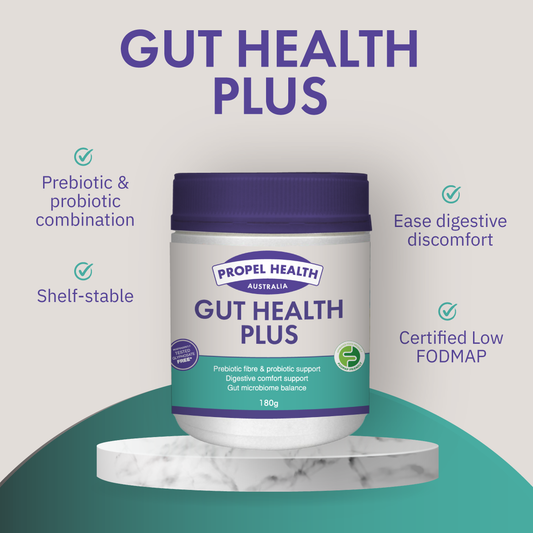
Prebiotic fibres like PHGG, Psyllium Husk or Inulin may provide additional benefits because they also nourish beneficial gut bacteria.
PHGG: Supports Gut Health & Natural Elimination
PHGG is one of the most clinically studied prebiotic fibres available and is widely used to support digestive health and the gut microbiome.
It nourishes beneficial gut bacteria, supports healthy bowel regularity and helps maintain stool consistency, all of which contribute to the body's natural waste elimination processes.
A healthy gut microbiome and regular bowel function may help the body more effectively eliminate unwanted substances that pass through the digestive tract.
Because PHGG is gentle, fully soluble and Low FODMAP certified, it is well suited to long-term daily gut health support.
Does Psyllium Husk Remove Microplastics?
Psyllium husk is a soluble fibre that absorbs water and forms a gel within the digestive tract, helping promote healthy bowel regularity and comfortable stool passage.
By supporting efficient digestive transit, psyllium may assist the body's natural elimination pathways and reduce the time waste remains in the intestines. It has also been shown to support healthy cholesterol and blood sugar levels as part of a balanced diet.
Maintaining regular bowel movements is considered an important part of supporting the body's normal clearance of indigestible materials.
Inulin: Supports a Healthy Gut Microbiome
Inulin is a naturally occurring prebiotic fibre found in plants such as chicory root and Jerusalem artichoke.
It selectively feeds beneficial gut bacteria, helping improve microbiome diversity, digestive health and bowel regularity.
A healthy microbiome plays an important role in maintaining the integrity of the gut barrier and supporting normal digestive function.
Emerging research suggests the gut microbiome may influence how the body interacts with environmental contaminants, including microplastics.
Supporting a healthy gut ecosystem may help optimise the body's natural digestive and elimination processes.
Support Your Gut Microbiome
Your gut microbiome is becoming one of the most exciting areas of microplastic research.
A 2026 study identified a probiotic demonstrated remarkable nanoplastic-binding ability.
Researchers found the bacteria:
- bound nanoplastics across a wide range of conditions
- continued binding under simulated intestinal conditions
- significantly increased faecal excretion of nanoplastics in animal models
The researchers concluded this strain shows promise as a microbial biosorbent capable of supporting nanoplastic removal.
Although this research is still early and hasn't yet been confirmed in humans, it adds to growing evidence that the gut microbiome may play an important role in how the body handles microplastic exposure.
Other beneficial bacteria, including various Lactobacillus and Bifidobacterium species, are also being investigated for their ability to interact with microplastics.
Fulvic Acid - Microplastic Removal Supplement
Another interesting area of emerging research involves fulvic acid.
Laboratory studies have shown fulvic acid can bind directly to microplastic particles and alter their surface chemistry.
Rather than simply existing alongside plastics, fulvic acid appears to attach to them, potentially reducing their reactivity.
This study provides a biologically mechanism that has attracted considerable scientific interest.
Industry Interest in Fulvic Acid and Microplastics
Interest in the interaction between the benefits of fulvic acid and microplastics is also extending beyond academic journals.
Following publication of the laboratory research, the findings were highlighted by Nutraceutical Business Review, which explored how fulvic acid's ability to bind to microplastic particles is attracting growing attention within the nutraceutical industry.
This reinforces fulvic acid emerging as one of the more scientifically interesting natural compounds being investigated in this rapidly evolving field.

Read the Nutraceutical Business Review article here.

Drink Plenty of Filtered Water
Hydration supports:
- kidney function
- bowel regularity
- overall detoxification
At the same time, consider reducing one of the largest ongoing sources of microplastic exposure.
Using:
- reverse osmosis
- activated carbon
- distillation
can substantially reduce microplastics in drinking water.
Glass or stainless-steel bottles are also preferable to single-use plastic bottles where practical.
Avoid Heating Plastic
Heat dramatically increases the release of plastic particles.
Avoid:
- microwaving food in plastic containers
- pouring boiling liquids into plastic
- repeatedly reusing disposable plastic containers
Instead choose:
- glass
- ceramic
- stainless steel
where possible.
Eat More Whole Foods
Ultra-processed foods encounter multiple plastic surfaces during manufacturing, processing and packaging.
Preparing meals from fresh whole foods may reduce overall exposure while simultaneously increasing fibre intake.
It's a double benefit.
Exercise Regularly
Regular exercise supports many of the body's natural detoxification and waste-removal systems, including:
- Healthy bowel motility
- Circulation
- Lymphatic function
- Metabolic health
Sweating is often promoted as a way to "detox."
However, exercise offers another important benefit.
Physical activity stimulates the production of heat shock proteins, protective molecules that help repair damaged proteins, maintain normal cellular function and improve the body's resilience to physical and environmental stress.
Reduce Airborne Exposure
Microplastics aren't just eaten.
They're also inhaled.
Simple steps include:
- vacuuming with a HEPA filter
- improving ventilation
- reducing indoor dust
- washing synthetic clothing less frequently
- choosing natural fibres where practical
Can You Completely Remove Microplastics From the Body?
At present, we're not sure.
The best strategy is to:
- reduce ongoing exposure
- optimise gut health
- support regular bowel function
- nourish your microbiome
- maintain healthy liver and kidney function
- stay hydrated
These approaches support the body's own elimination systems.
The Bigger Picture
Microplastics are likely to become one of the defining environmental health issues of this generation.
The encouraging news is that research is advancing rapidly.
Scientists are now investigating how:
- prebiotic fibres
- probiotics
- fulvic acid
- nutrition
- the gut microbiome
may all influence how the body interacts with these particles.
While we're still in the early stages, one message is becoming increasingly clear:
Looking after your gut may also help your body become more resilient to modern environmental exposures.


Final Thoughts
You can't completely avoid microplastics in today's world, but you can reduce your exposure and support your body's natural ability to process and eliminate them.
A diet rich in fibre, a healthy gut microbiome, good hydration and evidence-based supplements may all play a role in supporting long-term health.
Rather than searching for a miracle "microplastic detox," focus on strengthening the biological systems that protect you every day.
About the Author
Grant Jenkins is the founder of Propel Health Australia and a former high-performance coach with more than 25 years of experience in exercise physiology, sports nutrition and athlete development. He combines emerging scientific research with practical health education to help Australians better understand recovery, healthy ageing and evidence-based supplementation.
Disclaimer
This article is for educational purposes only and is not intended to diagnose, treat, cure or prevent any disease. Always consult your healthcare practitioner before starting any new supplement or making significant changes to your nutrition or training program.