Fulvic Acid and Brain Ageing: What the Research Shows
TL;DR: Early research suggests fulvic acid may interfere with the formation of tau protein tangles associated with Alzheimer's disease while also supporting healthy brain ageing through antioxidant and anti-inflammatory pathways.
Fulvic Acid: Cognitive Function
When it comes to brain health, few challenges are as complex as Alzheimer’s disease.
This progressive condition damages memory and thinking by disrupting how brain cells communicate.
But exciting new research has identified a natural compound - fulvic acid - that could help protect the brain at a microscopic level.
Beyond Alzheimer's Disease
Like most people reading this article, you're most likel not worried about developing Alzheimer's disease tomorrow.
What you're thinking about is staying mentally sharp as they age.
You already notice the occasional forgotten name, a loss of focus during the afternoon, difficulty concentrating, or periods of brain fog that weren't there ten years ago.
You want to maintain your memory, cognitive function, and independence for as long as possible.
While Alzheimer's disease represents the severe end of cognitive decline, many of the biological processes involved in the condition, including oxidative stress, chronic inflammation, and impaired communication between brain cells, are also associated with normal age-related changes in brain function.
This is one reason researchers are increasingly interested in compounds such as fulvic acid that may help support healthy brain ageing long before significant cognitive decline develops.
The goal is not simply to live longer, but to maintain mental clarity, memory, and quality of life throughout the ageing process.
What the Science Shows
A study published in the Journal of Alzheimer’s Disease revealed that fulvic acid may prevent and even help reverse one of the key processes behind Alzheimer’s - the clumping of tau proteins in the brain.
These proteins normally help keep neurons stable and flexible. But when they start sticking together, they form tangles that choke communication between brain cells. Fulvic acid was shown to:
- Block the formation of these damaging tangles, and
- Break apart existing ones, potentially restoring normal structure.
Researchers suggest fulvic acid acts at the hydrophobic level, interfering with the sticky bonds that hold these protein clumps together.
While it’s early-stage research, the findings are promising - pointing toward natural compounds that may one day complement medical treatments for cognitive decline.
Researchers Continue Studying Fulvic Acid for Brain Health
Interest in fulvic acid and cognitive health has continued to grow since the original tau-protein research was published.
A 2025 systematic review examining fulvic acid and Alzheimer's disease concluded that the compound shows promising neuroprotective potential due to its antioxidant, anti-inflammatory and brain-supportive properties.
While the review emphasised that more human research is needed, the findings help explain why scientists remain interested in fulvic acid as a possible tool for supporting healthy brain ageing.
According to the authors, Alzheimer's disease is not driven solely by beta-amyloid plaques and tau tangles.
Chronic inflammation and oxidative stress are also believed to play important roles in the progressive loss of neurons and cognitive function.
This is particularly relevant because fulvic acid appears to influence several of these pathways simultaneously.
Oxidative Stress & Cognitive Function
One of the key themes highlighted in the review is oxidative stress.
As we age, the brain is exposed to ongoing oxidative damage caused by reactive oxygen species (ROS).
Excessive oxidative stress may contribute to neuronal dysfunction and accelerate age-related cognitive decline.
The review notes that fulvic acid possesses significant antioxidant activity, which may help neutralise free radicals and reduce oxidative damage within the nervous system.
While this does not mean fulvic acid prevents Alzheimer's disease, it does suggest it may support one of the biological systems associated with healthy brain ageing.
Inflammation & the Ageing Brain
Researchers are increasingly recognising that inflammation may play an important role in neurodegenerative diseases too.
The review describes evidence suggesting fulvic acid may exhibit anti-inflammatory effects that could help protect neurons from inflammatory damage.
This is significant because inflammation is no longer viewed as merely a consequence of cognitive decline. Many scientists now consider chronic inflammation to be one of the contributing factors that may accelerate neurological ageing.
Combined with its antioxidant properties, this gives fulvic acid a unique profile compared to many traditional supplements.
Fulvic Acid & Healthy Brain Ageing
Perhaps the most exciting aspect of the emerging research is that fulvic acid appears to act through multiple pathways rather than a single mechanism.
Researchers have proposed that fulvic acid may support healthy cognitive function through:
- antioxidant activity
- anti-inflammatory activity
- support for neuronal health
- potential effects on abnormal protein aggregation
- protection against neurodegenerative processes
This broad spectrum of activity is one reason interest in fulvic acid continues to grow among researchers investigating healthy ageing and cognitive resilience.
The Brain-Body Connection
Cognitive decline doesn’t happen in isolation.
A growing body of research shows that muscle strength, physical activity and metabolic health all play powerful roles in protecting the brain.
That’s why pairing nutrients that support cognition - like fulvic acid - with regular strength training may offer the best defence against age-related decline.
Strength training improves:
- Blood flow to the brain, supporting oxygen and nutrient delivery.
- Insulin sensitivity and mitochondrial function, key to energy and longevity.
- Neuroplasticity, helping the brain form new connections.
If you’re not sure where to start, consider working with an Exercise Physiologist who can design a personalised, safe program to build strength, boost confidence and protect long-term cognitive health.
Gut, Brain and Beyond
We believe that health starts from the inside out.
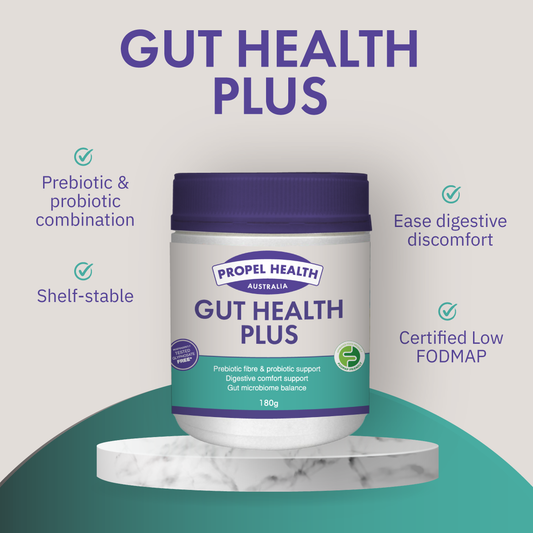
Compounds like fulvic acid, along with prebiotic fibres like PHGG, support not just digestion but also the gut–brain axis - the communication highway between your digestive system and your mind.
There is also growing evidence that fulvic acid may help with removing microplastics from our bodies.
When the gut is balanced, the brain can function more clearly, improving memory, focus and mood.
Key Takeaway
The original research showed that fulvic acid may help prevent and break apart tau protein tangles associated with Alzheimer's disease.
More recent research has expanded on these findings, suggesting fulvic acid may also support healthy brain ageing through its antioxidant, anti-inflammatory, and neuroprotective properties.
While more human studies are needed, the science continues to highlight fulvic acid as one of the more intriguing natural compounds being investigated for cognitive health.
Where to Buy Fulvic Acid?

References:
Cornejo A, Jiménez JM, Caballero L, Melo F, Maccioni RB. Fulvic acid inhibits aggregation and promotes disassembly of tau fibrils associated with Alzheimer’s disease. J Alzheimers Dis. 2011;27(1):143–153. doi:10.3233/JAD-2011-110623. PMID: 21785188.
KAŹMIERKIEWICZ, Kornelia, CHOJNACKA, Martyna, LIS, Marta Ewelina, CIECHAŃSKA, Ewa, KAPUŚNIAK, Kornel, SUSZCZYŃSKA, Weronika, RUMIANEK-FIDZIUKIEWICZ, Katarzyna and LASOTA, Zuzanna. The Effect of Fulvic Acid on Alzheimer’s Disease - A Systematic Review. Quality in Sport. Online. 13 May 2025. Vol. 41, p. 60196. [Accessed 9 June 2026]. DOI 10.12775/QS.2025.41.60196.
About the Author
Grant Jenkins is the founder of Propel Health Australia and a high-performance coach & physiologist with over 25 years’ experience working with elite and developing athletes. He has formulated nutritional supplements used by athletes, families and health professionals across Australia. Grant combines real-world coaching experience with evidence-based research to bridge the gap between performance science and practical health.
Disclaimer:
This article is for educational purposes only and is not intended to diagnose, treat, cure, or prevent any disease. Always consult a qualified health practitioner before starting or changing any supplement.