What Supplements to Take for Diabetes
TL;DR: If you're wondering what supplements to take for diabetes, research has investigated creatine, chromium, beetroot and chlorophyll for their potential effects on glucose metabolism. However, supplements should complement, not replace, the fundamentals of blood sugar management.
Diabetes and blood sugar management should never rely on supplements alone.
Diet, physical activity, resistance training, sleep, body composition and prescribed medications can all play larger roles.
That said, several supplements and nutritional compounds are being investigated for their potential role in glucose metabolism.
Here are some of interesting areas of research.
What is the best supplement for diabetes?
There is no single "best" supplement for diabetes, and supplements should not replace medical treatment.
However, several nutrients and plant compounds are being investigated for their potential role in metabolic health.
Chromium for Diabetes
Chromium is an essential trace mineral involved in normal macronutrient metabolism.
Research has investigated chromium supplementation in relation to insulin action and glucose metabolism, results are mixed and should be taken under the supervision of your health practitioner.
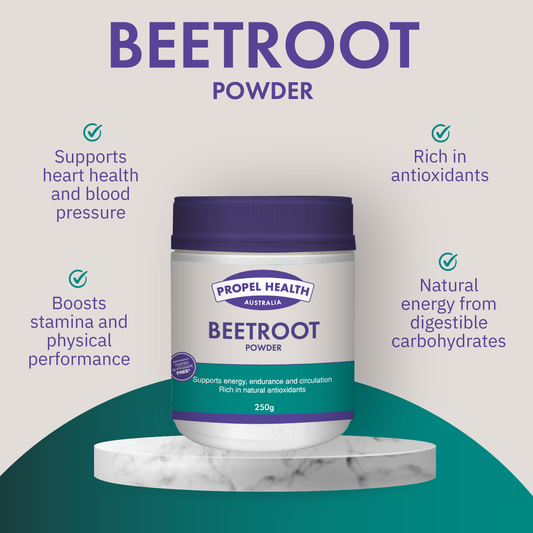
Beetroot powder for Diabetes
Beetroot powder contains naturally occurring nitrates, betalains and polyphenols.
Early research suggests these compounds may influence circulation, oxidative stress and post-meal glucose and insulin responses.
Chlorophyll for Diabetes
Chlorophyll and its derivatives are also attracting research attention.
A 2025 review examined potential effects on glucose metabolism, gut microbiota, oxidative stress and insulin sensitivity.
Much of this evidence is still experimental, however, and more human clinical trials are needed.
The practical takeaway is simple: supplements may complement a healthy diet and appropriate medical care, but there is currently no supplement that should be viewed as a replacement for established diabetes management.
What reduces diabetes quickly naturally?
If you have diabetes, the goal should be improving blood glucose control rather than trying to "reduce diabetes quickly".
Some of the most useful lifestyle strategies include:
- Increase physical activity. Working muscles use glucose, making regular movement an important part of blood sugar management.
- Strength train. Building and maintaining muscle increases the amount of metabolically active tissue available to take up glucose.
- Reduce excessive refined. Particularly sugary drinks, sweets and highly refined carbohydrate foods.
- Increase protein. Protein-rich meals can help with satiety and may make it easier to manage overall food intake. Read more about the Protein Leverage Hypothesis.
- Increase fibre. Soluble and fermentable fibres can support metabolic and gut health. PHGG powder is particularly interesting for people wanting to support their gut microbiome, while inulin may help support appetite control and beneficial gut bacteria.
- Improve body composition where appropriate. Losing excess body fat and maintaining muscle can substantially improve metabolic health.
If you use glucose-lowering medication, major dietary or exercise changes should be discussed with your healthcare practitioner because they can alter your medication requirements.
What is the fastest way to lower blood sugar naturally?
Physical activity can have relatively immediate effects on glucose uptake because contracting skeletal muscle can increase glucose utilisation.
Longer-term blood sugar management usually requires a combination of:
Exercise + appropriate carbohydrate intake + adequate protein + fibre + healthy body composition.
Even simple movement after meals may be useful rather than remaining sedentary for long periods.
Fibre can also help slow the digestion and absorption of carbohydrates, while protein-rich meals can improve satiety and potentially reduce reliance on highly refined carbohydrate foods.
However, very high blood glucose is a medical issue.
Do not attempt to rapidly lower dangerously elevated blood glucose using supplements, fasting or strenuous exercise without appropriate medical advice.
Creatine for diabetes?
Creatine is normally associated with muscle and sports performance, but an interesting randomised controlled trial investigated creatine specifically in people with type 2 diabetes.
Gualano and colleagues studied participants completing a 12-week exercise program. They received either 5 g of creatine per day or placebo.
HbA1c fell from an average of 7.4% to 6.4% in the creatine group, compared with 7.5% to 7.6% in the placebo group.
Researchers also found lower glucose responses during a meal tolerance test and increased GLUT-4 translocation.
GLUT-4 is particularly interesting because it helps transport glucose from the bloodstream into cells, particularly skeletal muscle.
The authors concluded that:
Creatine supplementation combined with exercise improved glycaemic control in people with type 2 diabetes.
Beetroot powder and diabetes?
Beetroot is interesting for diabetes because it contains several biologically active compounds, including dietary nitrate, betalains and polyphenols.
A 2014 crossover study investigated the effects of 225 mL of beetroot juice in 16 healthy adults.
Compared with a macronutrient-matched control drink, beetroot juice produced a significantly lower glucose response during the first 30 minutes and a lower early insulin response during the first 60 minutes.
The researchers suggested that betalains, polyphenols and dietary nitrate may have contributed to these effects.
This does not demonstrate that beetroot powder treats diabetes. The study was small and used healthy participants.
But it does provide an interesting basis for further research into beetroot and post-meal glucose metabolism.
Chlorophyll benefits for diabetes?
Chlorophyll is another emerging area of diabetes research.
A 2025 review published in Nutrients examined chlorophyll and its derivatives in relation to diabetes control.
The authors identified several potential mechanisms, including effects on:
- gut microbiota
- glucose tolerance
- carbohydrate digestion
- inflammation
- oxidative stress
- insulin sensitivity
- glucose uptake
Some chlorophyll derivatives may inhibit enzymes involved in carbohydrate digestion, potentially reducing post-meal glucose spikes. Other compounds have demonstrated insulin-like or glucose-uptake effects in experimental models.
However, there is an important distinction between promising mechanisms and demonstrated clinical benefits.
Liquid chlorophyll should not be viewed as a diabetes treatment. Rather, chlorophyll represents an interesting nutritional compound that researchers are now investigating more seriously in the context of metabolic health.
Chromium for Diabetes?
Chromium has been studied for its potential role in insulin sensitivity and glucose metabolism.
A 2002 study investigated chromium picolinate in obese, hyperinsulinaemic rats, a model of insulin resistance.
After three months, chromium supplementation was associated with:
- lower fasting insulin
- improved glucose disposal
- lower glucose and insulin responses during glucose tolerance testing
- lower total cholesterol
- higher HDL cholesterol
- increased movement of GLUT-4 transporters to the skeletal muscle cell membrane after insulin stimulation
That last finding is particularly interesting.
GLUT-4 helps move glucose from the bloodstream into skeletal muscle cells. The researchers found that chromium didn't increase the total amount of GLUT-4 in muscle. Instead, it appeared to improve GLUT-4 translocation, helping more of these glucose transporters move to the cell membrane in response to insulin.
However, this was an animal study, not a clinical trial in people with diabetes. The results provide a potential mechanism for chromium's effects on glucose metabolism, but they don't establish chromium picolinate as a treatment for diabetes.
Interestingly, the authors also noted that previous human research had suggested chromium picolinate may reduce insulin concentrations and improve glucose disposal in some obese and type 2 diabetic populations.
For now, chromium is best viewed as an essential trace mineral with an interesting relationship to insulin and glucose metabolism, rather than a replacement for exercise, nutrition, medication or medical care.
Take Home Message
If you're wondering what supplements to take for diabetes, start with the bigger picture.
1. Move and build muscle. Regular physical activity and strength training are powerful tools for glucose management.
2. Build meals around protein, fibre and minimally processed foods. Reduce excessive refined carbohydrates and consider fermentable fibres such as PHGG or inulin where appropriate.
3. Treat supplements as supplements. Creatine, beetroot, chromium and chlorophyll all have interesting metabolic research behind them, but none should replace appropriate diabetes treatment.
For someone with diabetes, particularly anyone taking glucose-lowering medication or insulin, discuss significant changes to supplements, diet or exercise with their healthcare practitioner.
Supplements that may improve your metabolic health.
References
Gualano B, et al. (2011). Creatine in type 2 diabetes: a randomized, double-blind, placebo-controlled trial. Medicine & Science in Sports & Exercise. 43(5):770-778. doi:10.1249/MSS.0b013e3181fcee7d.
Wootton-Beard PC, Brandt K, Fell D, Warner S, Ryan L. (2014). Effects of a beetroot juice with high neobetanin content on the early-phase insulin response in healthy volunteers. Journal of Nutritional Science.
Sartore G, Zagotto G, Ragazzi E. (2025). Beyond Green: The Therapeutic Potential of Chlorophyll and Its Derivatives in Diabetes Control. Nutrients. 17(16):2653. doi:10.3390/nu17162653.
Cefalu WT, Wang ZQ, Zhang XH, Baldor LC, Russell JC. (2002). Oral Chromium Picolinate Improves Carbohydrate and Lipid Metabolism and Enhances Skeletal Muscle Glut-4 Translocation in Obese, Hyperinsulinemic (JCR-LA Corpulent) Rats. The Journal of Nutrition. 132(6):1107–1114. doi:10.1093/jn/132.6.1107.
Disclaimer
This article is for educational purposes only and is not intended to diagnose, treat, cure or prevent diabetes. Supplements should not replace prescribed medication, medical care or an appropriate diet. If you have diabetes, prediabetes or take glucose-lowering medication, speak with your healthcare practitioner before substantially changing your diet, exercise program or supplements.