Hesperidin: What Science Says
Natural compounds found in everyday foods are gaining attention for their potential health benefits - and one that continues to stand out in modern research is hesperidin, a citrus bioflavonoid concentrated in orange peels, grapefruit and certain plant extracts.
Although traditionally studied for its antioxidant and vascular-support properties, hesperidin has recently been investigated for its role in immune function, inflammation control, and cellular protection.
Over the past few years, several research groups have explored hesperidin’s potential in viral infections, including COVID-19, sparking renewed scientific interest.
Here’s a simple breakdown of what current evidence shows - and what it doesn’t.
Why Scientists Became Interested in Hesperidin
Back in 2020, as researchers rushed to understand SARS-CoV-2, several computational (“in-silico”) studies screened thousands of natural compounds to predict which might interact with the virus.
One influential paper (PMC7274964) identified hesperidin as a promising candidate because of its predicted ability to:
- bind to ACE2 - the receptor the virus uses to enter cells
- interact with key viral proteases involved in replication
- modulate inflammation pathways linked to severe symptoms
These early models also flagged related compounds such as diosmin, naringin, and heparin, prompting more in-depth investigation.
These were predictions, not clinical evidence, but they pointed scientists toward flavonoids as potential immune-supporting compounds worth exploring further.
Why Hesperidin Makes Biological Sense
A 2022 review paper (PMC8750703) outlined several ways hesperidin may support general immune and inflammatory balance:
- Antioxidant activity: helps neutralise oxidative stress
- Anti-inflammatory effects: may modulate cytokines and inflammatory signalling
- Vascular and endothelial protection: supports healthy blood vessel function
- Potential antiviral interactions: shown in lab and computational models
These mechanisms don’t make hesperidin a treatment, but they do explain why it's being studied for its supportive role in immune health.
Clinical Trial Evidence: What Happens When People Take Hesperidin?
Perhaps the most interesting data comes from a randomised, placebo-controlled clinical trial published on MedRxiv in 2021 (10.1101/2021.10.04.21264483).
The study included unvaccinated adults with confirmed COVID-19. Participants took 1,000 mg of hesperidin daily and recorded their symptoms.
Key findings:
- Symptom burden reduced by approximately 15–20%
- Some symptoms — including fever, cough, and fatigue - resolved earlier
- The compound was well tolerated
The researchers emphasised that hesperidin is not a cure, but the results suggest a meaningful reduction in symptom severity and duration.
For a natural compound with a long history, that’s noteworthy.
Other Citrus Bioflavonoids Worth Watching
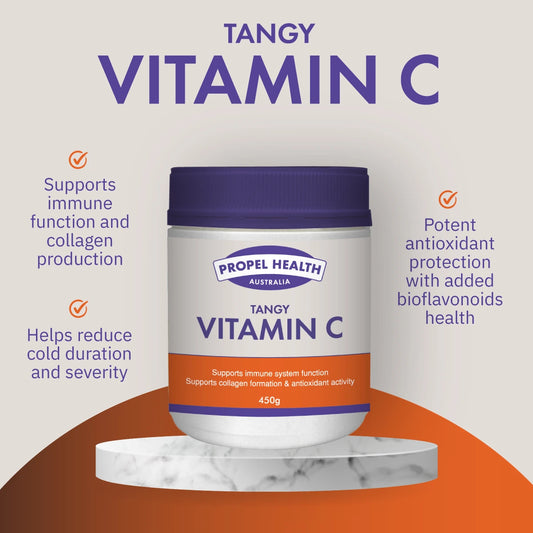
Because these compounds often appear together in citrus fruits (think Vitamin C for immunity boost, several related flavonoids may also have health-supportive effects:
- Naringin
- Diosmin
- Hesperetin (the active metabolite of hesperidin)
Many papers group these together when discussing antioxidant or anti-inflammatory pathways.
While hesperidin has the most attention right now, future research may explore synergistic effects within citrus extracts.
What This Means for Everyday Immune Health
The growing body of research suggests:
- Hesperidin has several well-understood biological actions
- Computational studies highlighted potential antiviral interactions
- A clinical trial found a modest but meaningful reduction in symptom duration
- Research is ongoing and much more is needed
The overall theme?
Hesperidin is not a miracle ingredient, but it’s consistently showing real, measurable, supportive effects in scientific studies - especially when it comes to antioxidant capacity, inflammation balance, and immune system resilience.
Should You Supplement With Hesperidin?
That depends on your personal health profile, diet, and the guidance of your healthcare practitioner.
Hesperidin naturally appears in:
- oranges
- grapefruits
- tangerines
- citrus peel extracts
Given the nutrient’s emerging evidence profile, it’s no surprise more people are paying attention to citrus bioflavonoids as part of their broader wellness routine.
The Bottom Line
Hesperidin isn’t hype - it’s a well-researched citrus compound with steadily growing clinical interest.
While it’s not a treatment for illness, scientific studies show it may help support the body through its antioxidant, vascular, and immune-modulating effects.
As more research continues to unfold, hesperidin will likely remain one of the most intriguing natural compounds in the immune-health space.
Disclaimer: We offer this post for education purposes only. Please consult your healthcare professional for personalised advice.