Beetroot Powder for Athletes: Following the Science
Few natural sports supplements have attracted as much scientific attention over the past fifteen years as beetroot. From a humble root vegetable, beetroot has been transformed into one of the most evidence-supported performance supplements available, used by Olympic athletes, professional cyclists, elite marathon runners, and recreational fitness enthusiasts alike.
But what does the science actually say? How does it work, who benefits most, and how should you use it? This guide covers the research in detail and gives you practical guidance on getting the most from beetroot powder as a sports supplement.
The Science Behind Beetroot's Performance Effects
Dietary Nitrates and the Nitrate-Nitrite-Nitric Oxide Pathway
The performance benefits of beetroot are driven almost entirely by its exceptionally high concentration of inorganic dietary nitrates.
Beetroot contains more dietary nitrate per gram than virtually any other commonly consumed vegetable. When you consume beetroot or beetroot powder, the nitrates are rapidly absorbed in the small intestine and circulate in the bloodstream.
From there, a portion of these nitrates are secreted into saliva, where bacteria naturally present in the mouth begin reducing them to nitrite.
When you swallow, this nitrite enters the stomach and the acidic environment facilitates further reduction to nitric oxide. Nitric oxide then enters circulation, where it exerts its primary physiological effects.
This pathway is why antiseptic mouthwash, which kills the oral bacteria responsible for the nitrate-to-nitrite conversion step, completely eliminates the ergogenic effects of beetroot supplementation.
If you use beetroot for performance, avoid antibacterial mouthwash for at least two hours before and after taking it.
How Nitric Oxide Improves Athletic Performance
Nitric oxide is a potent vasodilator. It signals smooth muscle in blood vessel walls to relax, which widens the vessels and reduces resistance to blood flow. The downstream effects for athletes are significant:
- Improved oxygen delivery to working muscle tissue, which directly supports aerobic energy production
- Reduced oxygen cost of exercise at submaximal intensities, meaning athletes can do the same work with less oxygen
- Improved delivery of glucose and free fatty acids to exercising muscle for fuel
- Enhanced removal of metabolic waste products like lactate and hydrogen ions from working muscles
- Reduced blood pressure, which decreases the cardiac workload during sustained effort
What the Peer-Reviewed Research Shows
Endurance Performance
The endurance performance research on beetroot is among the most consistent in sports nutrition.
A landmark study published in the Journal of Applied Physiology found that cyclists who supplemented with beetroot juice for six days were able to cycle 22 percent longer before reaching exhaustion compared to a placebo group.
The magnitude of this effect, derived from a natural food supplement, is remarkable and has been broadly replicated.
A meta-analysis published in Nutrients, which pooled data from 80 separate studies, confirmed that dietary nitrate from beetroot significantly improved time to exhaustion, time trial performance, and economy of movement across a range of endurance sports.
The effect was most pronounced in cyclists and runners but was also demonstrated in swimmers, rowers, and team sport athletes.
Oxygen Economy and VO2 Submaximal Efficiency
Multiple studies have demonstrated that beetroot supplementation reduces the oxygen cost of cycling, running, and other aerobic activities at submaximal intensities.
A study from the University of Exeter found that cyclists consuming dietary nitrate required approximately five percent less oxygen to sustain the same pace compared to placebo.
While five percent sounds modest, in competitive sport this margin is substantial.
This improvement in oxygen economy is especially relevant for athletes who race or train at intensities below their VO2 max, where the body's ability to sustain effort is limited by oxygen delivery and utilisation efficiency rather than raw aerobic capacity.
High-Intensity and Repeated Sprint Performance
The evidence for beetroot in high-intensity and team sport contexts is more nuanced.
Several studies have demonstrated improvements in repeated sprint capacity, particularly the ability to maintain power output over successive sprint efforts with limited recovery.
This is directly relevant to team sports like football, rugby, basketball, and netball, where sustained high-intensity performance over a match is the limiting factor.
The mechanism in this context may relate to improved muscle blood flow and oxygen delivery during the brief recovery periods between sprints, allowing faster resynthesis of phosphocreatine and clearance of metabolic waste products.
How to Use Beetroot Powder Effectively
Dosing for Performance
The most consistent performance benefits in research have been achieved with dietary nitrate doses equivalent to approximately 6 to 8 millimoles per day, which corresponds roughly to 300 to 500 millilitres of commercial beetroot juice or two to three teaspoons of a concentrated beetroot powder.
Propel Health's Beetroot Powder with Natural Nitrates is a pure, concentrated source that allows precise dosing without the volume of liquid required by juice-based approaches.
It is worth noting that nitrate concentration varies significantly between beetroot products depending on soil conditions, processing methods, and crop variety. Choose products that can demonstrate consistent nitrate content rather than simply stating a beetroot powder dose.
Timing for Acute Performance Effects
For acute performance benefits before a specific training session or competition, consume beetroot powder 60 to 90 minutes prior. This timing allows the nitrate-to-nitrite-to-nitric-oxide conversion pathway to reach peak nitric oxide availability. Peak plasma nitrite (the precursor to nitric oxide in blood) typically occurs approximately two to three hours after consuming dietary nitrate, with meaningful elevation beginning around one hour post-ingestion.
Chronic Daily Supplementation
Some research suggests that chronic daily supplementation with beetroot or dietary nitrates produces adaptations beyond the acute vasodilatory effect, including changes in mitochondrial efficiency and skeletal muscle fibre composition that compound over weeks of consistent use.
For athletes training regularly, daily beetroot supplementation is likely more beneficial than acute pre-competition use alone.
Adding beetroot powder to a morning smoothie or drink regardless of training day makes this easy to maintain as a consistent daily habit.
Beetroot and Blood Pressure
Beyond athletic performance, beetroot's dietary nitrate content has well-documented blood pressure-lowering effects. Multiple systematic reviews and meta-analyses have confirmed that dietary nitrate supplementation significantly reduces both systolic and diastolic blood pressure in healthy adults. For athletes monitoring cardiovascular health alongside performance, this is a meaningful additional benefit.
The blood pressure effect is acute (observable within hours of supplementation) and also cumulative with consistent daily use. This makes beetroot one of the most evidence-supported natural interventions for mild to moderate blood pressure management as well as a legitimate performance supplement.
Who Benefits Most from Beetroot Supplementation
The performance research consistently shows that beetroot benefits are most pronounced in certain populations:
- Recreational and amateur athletes: Elite athletes at the upper end of oxygen efficiency see smaller absolute improvements because there is less room to optimise. Recreational athletes, who typically operate with more room for physiological improvement, often see larger percentage gains.
- Endurance athletes: The most robust evidence base is in endurance sports. Runners, cyclists, triathletes, and rowers are the best-evidenced populations.
- Older active adults: Research has demonstrated particularly meaningful performance and cardiovascular benefits in older athletes, where natural nitric oxide production declines with age.
- Athletes at altitude: Conditions of reduced oxygen availability (altitude training or competition) amplify the benefits of improved oxygen delivery from nitrate supplementation.
Combining Beetroot with Other Sports Supplements
Beetroot powder works well as part of a broader natural performance supplement stack.
Combining it with other evidence-based sports supplements enhances the overall approach:
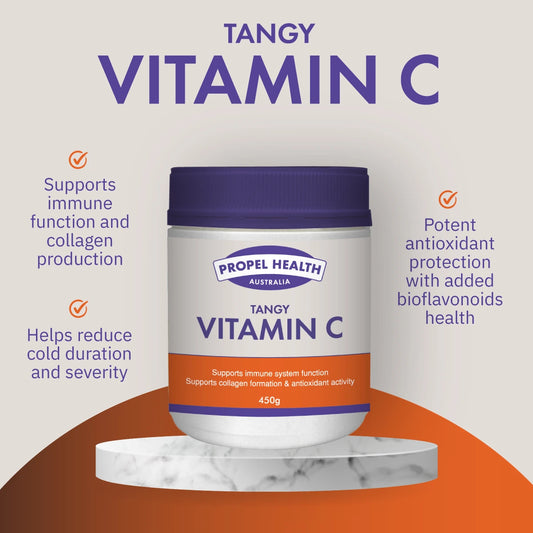
- Vitamin C: Supports antioxidant defence against exercise-induced oxidative stress.
- Propel Health's Creatine: Works through a complementary mechanism (ATP-PC system support) that does not overlap with beetroot's nitric oxide pathway. These two supplements together cover both aerobic efficiency and anaerobic power.
- Moringa: The post-workout micronutrient density of
Beetroot and creatine are the two most evidence-supported natural performance supplements available. They work through complementary mechanisms and can be used together without competition or interaction.
Practical Considerations
A few practical points worth knowing before you start:
-
Beeturia: Approximately ten to fifteen percent of people experience red or pink
discolouration of urine after consuming beetroot. This is harmless and results from a genetic variation in metabolism of betacyanin (the pigment responsible for beetroot's colour). It is not a sign of bleeding and requires no action. - Digestive tolerance: Beetroot powder is generally very well tolerated. Some people with sensitive digestive systems may experience mild GI symptoms at higher doses. Starting with a half-dose for the first week typically resolves this.
- Not a substitute for training: Beetroot supplementation enhances the physiological capacity you develop through training. It does not replace training adaptations. The compound benefits of beetroot supplementation are most valuable in athletes who are already training consistently.
For a broader guide to natural sports supplements, see our complete article on natural sports supplements for performance and recovery.
About the Author
Grant Jenkins is the founder of Propel Health Australia and a high-performance coach & physiologist with over 25 years’ experience working with elite and developing athletes. He has formulated nutritional supplements used by athletes, families and health professionals across Australia. Grant combines real-world coaching experience with evidence-based research to bridge the gap between performance science and practical health.
Disclaimer
Propel Health offers this article for education purposes only. Please consult your Health Practitioner for personalised and specific information.